
Community · The journal
Considering a Ceremony in New Jersey? Questions to Ask First
A practical guide to asking about cultural context, consent, credentials, accessibility, legal claims, and confirmed dates before considering a visit.
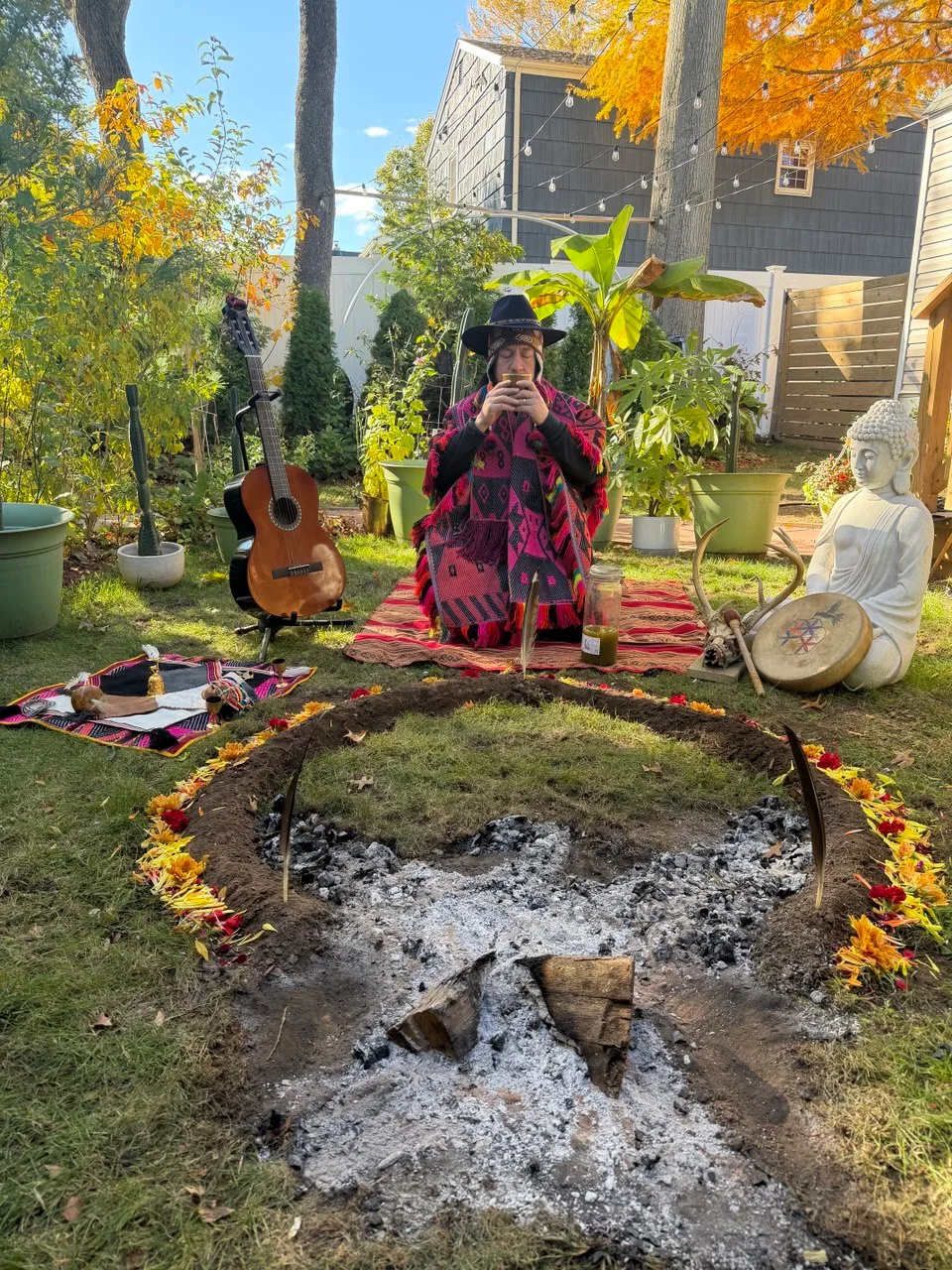
An inquiry is not a commitment
If you are looking into a ceremony in New Jersey, begin by finding out what the word ceremony means in that particular invitation. A cultural conversation, an offering, a steam-bath gathering, and a psychoactive plant ceremony are different activities. One description cannot answer the practical questions for all of them.
This guide is a set of questions, not an event listing, a recommendation to participate, or a safety assessment of any organizer. It is reasonable to learn first, take time, and decide not to attend.
1. What tradition and activity are actually being described?
Ask for a plain-language explanation rather than relying on a photograph, a spiritual title, or a broad phrase such as “plant medicine.” Which teachers, places, and communities inform the practice? What has been adapted for the present setting?
The separate introductions to Huachuma, Ayahuasca, Temazcal, Despacho, and Pachakuti Mesa are useful starting points. Their presence on the same website does not mean they share one cultural origin, one format, or one set of requirements.
Ask whether an educational conversation is available without participation in ceremony. Do not assume that every visitor is expected to take the same next step.
2. Who will be responsible, and what are they qualified to do?
Ask who will lead, who else will be present in a support role, and whom you can contact with a concern. Ask how the leader learned the practice and how that relationship with teachers or community is maintained.
Cultural experience, ceremonial authority, first-aid training, and a healthcare license are different things. If someone claims to be a licensed professional in New Jersey, the Division of Consumer Affairs offers an official license-verification system. Check the specific profession and current record rather than inferring clinical qualifications from a ceremonial title.
A license record is not, by itself, an endorsement of a particular event. Equally, a spiritual biography should not be presented as a medical credential. You can read Oswal and his family’s story as background, then ask the questions relevant to the actual activity being discussed.
3. How will consent and privacy work?
Ask about boundaries before you are in the room:
- Can you decline a particular activity or leave without pressure?
- Is consent requested before any touch, and can that consent be withdrawn?
- Are photographs, recordings, or the sharing of personal stories permitted?
- Who will know you attended, and will anyone contact you afterward?
- What personal information is requested, why is it needed, and how will it be protected?
An initial inquiry does not need your diagnosis, medication list, identification documents, or detailed personal history. If further information is genuinely needed, first establish who is asking, their role, and an appropriate private channel. Do not assume a general contact form is a clinical intake service.
4. What health and emergency questions need answering?
Ask what the physical demands are, what happens if someone becomes unwell, and who is responsible for obtaining help. For a heat-based activity, ask specifically about the ability to exit, supervision, and emergency access.
The CDC explains that heat can cause illness and that some health conditions and medicines can increase vulnerability. Its general guidance is not a safety assessment of a particular gathering. Discuss your own health or medication concerns with a qualified clinician rather than relying on an organizer’s reassurance.
Do not stop or change prescribed medicine because a host asks you to. Pressure to stay through distress, a promise of a cure, or the suggestion that seeking medical help shows insufficient commitment is a reason to pause. Serious illness requires medical attention, not a ceremonial explanation.
5. What is confirmed about the date and location?
At this article’s publication, no dates are published on our calendar. Check there for later updates. An inquiry, an article, or a photograph is not confirmation of an event or a reservation.
Before making travel plans for any confirmed gathering, ask about:
- The actual date, start and finish times, and how changes will be communicated.
- The confirmed location and whether the event is indoors or outdoors.
- Accessible paths, stairs, seating, restrooms, and any relevant sensory conditions.
- Whether a support person may accompany you and whether you may observe rather than participate.
- Any arrangements you would need in order to arrive and leave independently.
Ask about the specific location; do not infer accessibility or facilities from a general description of the community.
6. How should legal claims be understood?
Religious or cultural language should not replace a clear explanation of legal claims. If an organizer says a controlled-substance activity is authorized, ask what that claim covers and obtain independent advice from a qualified attorney about the relevant jurisdiction and circumstances.
In the DEA petition process, the agency’s published religious-exemption guidance distinguishes submitting a petition from receiving authorization. It also states that the process does not authorize conduct prohibited by other federal or state laws. A reference to an application is not the same thing as evidence of an applicable decision.
This website makes no determination that any individual, organization, or proposed activity has a legal exemption. This section is general information, not legal advice.
7. What commitments are being requested?
For an educational or community event, ask for any fees, cancellation terms, and continuing commitments in writing before agreeing. Clarify whether a donation is optional and whether your inquiry has created any obligation. Do not assume either answer.
You should have time to understand the terms, ask further questions, and decline. A meaningful conversation does not require immediate payment, a testimonial, or agreement to participate in future activities.
A simple first message
You can keep an opening inquiry brief:
Hello, I would like to learn more about the tradition you describe. Are educational conversations currently available? Before considering a visit, I would appreciate information about the teaching background, what participation involves, accessibility, and whether any dates are confirmed. Thank you.
Use the contact page for a general question. You do not need to know the right ceremonial vocabulary, share private medical information, or decide today. Clear answers are a worthwhile first step in their own right.
Sources & further reading
This guide was created with AI assistance using the sources above. It provides educational context, not Oswal’s personal teachings or professional advice. Read our editorial approach or send a question or correction.